smartmicro Modernizes Traffic Detection Along Rosa Parks Boulevard in Nashville
As part of a roadway milling and corridor improvement project, the Nashville Department of Transportation (NDOT) modernized traffic detection along Rosa Parks Boulevard, one of Nashville’s primary corridors connecting Interstate 65 with downtown.
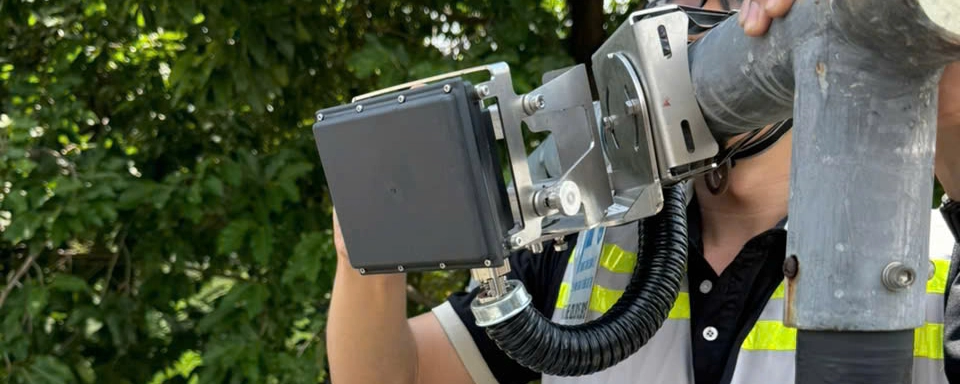
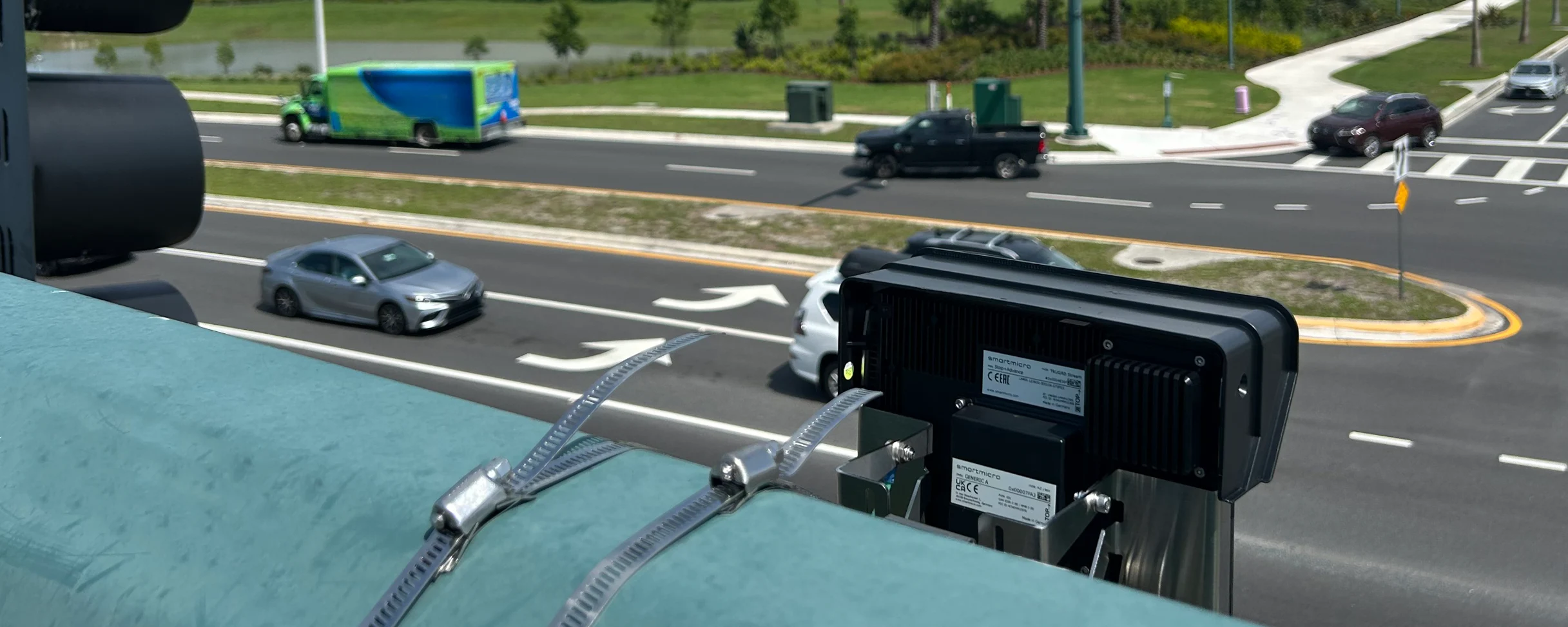
To support the upgrade, NDOT selected smartmicro’s TRUGRD Stream platform to provide reliable stop bar and advance detection across the corridor. A defining aspect of the project was that the deployment was carried out by NDOT‘s own signal shop.
Through classroom training, on-site guidance and initial field support, smartmicro enabled NDOT technicians to independently install and commission the system, demonstrating how transportation agencies can successfully deploy smartmicro solutions using their own personnel rather than relying on dedicated manufacturer installation teams.
The Challenge
The roadway improvement project required the replacement of existing traffic detection systems at multiple intersections. As milling work progressed along the corridor, existing inductive loop detection was removed at several locations, while aging video detection systems at others needed to be replaced.
At the same time, the corridor improvement project included upgraded crosswalks, new bicycle lanes and enhanced bus loading areas, requiring a detection solution capable of supporting reliable stop bar and advance vehicle detection, bicycle detection at selected locations and accurate lane-by-lane traffic data for efficient signal operations.
Additional challenges arose at several smaller intersections, where the limited distance between the stop bar and the available sensor mounting locations required careful sensor positioning.
The Solution
To modernize the corridor, smartmicro supplied approximately 50 TRUGRD Stream sensors together with COM HUB and SDLC Modules.
The solution provides:
- Reliable stop bar and advance vehicle detection
- Accurate lane-by-lane traffic counting
- Bicycle detection at selected intersections
- Reliable radar detection independent of lighting and weather conditions
Unlike many infrastructure projects that depend on manufacturer specialists or third-party contractors, the deployment was performed almost entirely by NDOT‘s own signal technicians.
To prepare the team, smartmicro provided classroom instruction, several days of on-site training, sensor alignment support and field assistance during the initial implementation phase. Integrated features such as Visual Validation, the embedded accelerometer and Auto Alignment enabled NDOT technicians to quickly become confident with the installation process. Following the initial training, the team independently installed, aligned and commissioned the majority of the sensors across the corridor, requiring only minimal support from smartmicro.
One particularly challenging location was the entrance and exit of the Nashville Farmers’ Market parking garage, where the TRUGRD Stream platform consistently detected and tracked vehicles despite complex traffic movements. Additional installation challenges arose at several compact intersections, where the limited distance between the stop bar and the available sensor mounting locations required careful sensor positioning.
The project is currently nearing completion. Eleven intersections are already operational, with four additional intersections in the final stages of deployment.

smartmicro-nashville-dot-case-study-1

smartmicro-nashville-dot-case-study-2

smartmicro-nashville-dot-case-study-3

smartmicro-nashville-dot-case-study-4

smartmicro-nashville-dot-case-study-5
Results and Benefits
The project demonstrates both the performance of the TRUGRD Stream platform and the simplicity of its deployment.
Since commissioning, NDOT has reported stable and reliable detection performance. In addition, no complaints have been reported since the system was put into operation.
A key outcome of the project was NDOT‘s ability to deploy the solution using its own personnel after only a short training period. This demonstrates how easily the smartmicro solution can be installed and commissioned without relying on specialized installation contractors or extensive manufacturer involvement. The approach not only reduced implementation effort but also enables NDOT to perform future installations, replacements and system expansions using its own maintenance personnel.