Future-Ready Traffic Detection at Ruischerbrug in the Netherlands
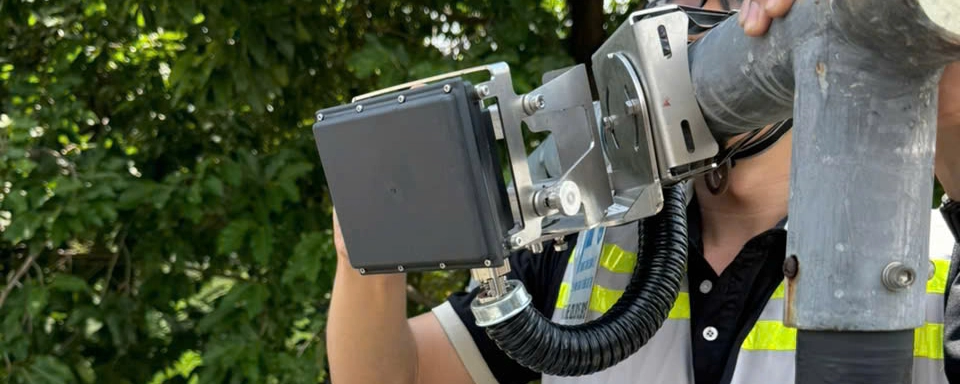
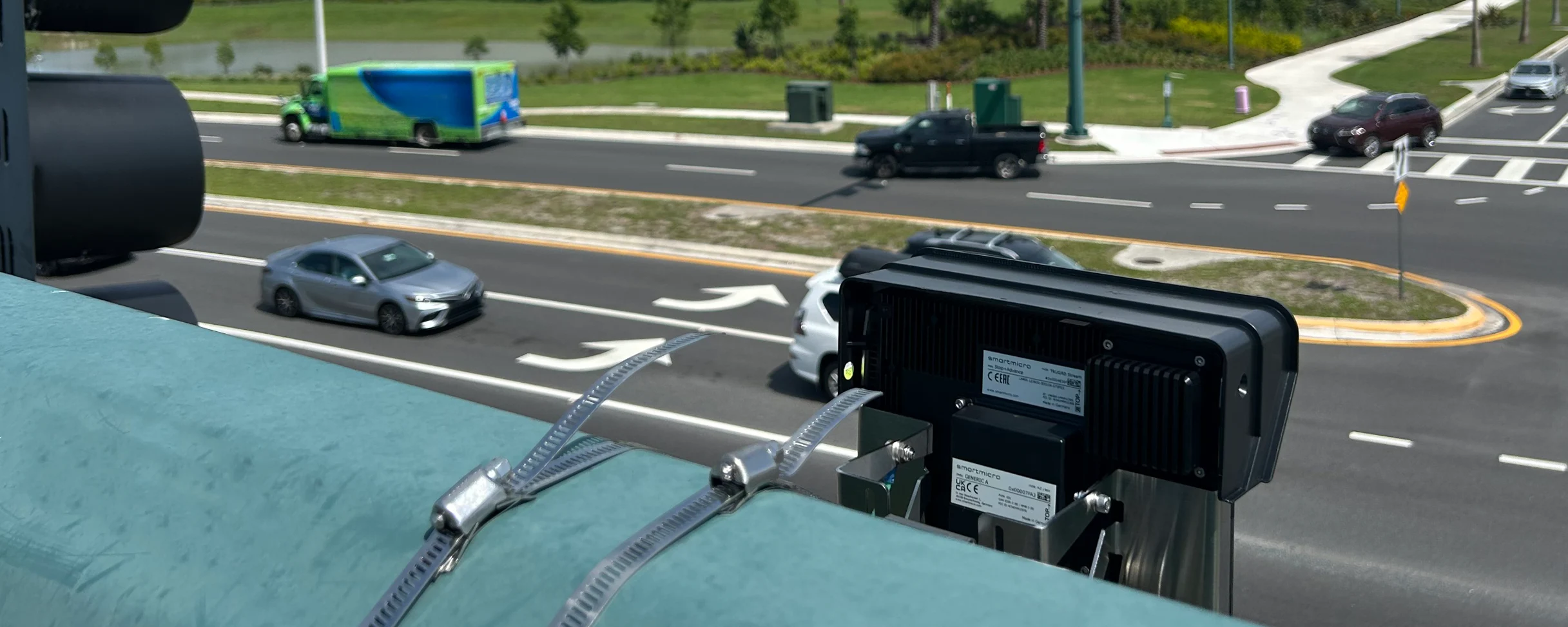
At the Ruischerbrug intersection in the Netherlands, the Province of Groningen, Verkeersinfo, and smartmicro worked together to evaluate radar detection in a real traffic-control environment. The project started with a trial using the UMRR-11 Type 132 radar and later continued with TOPGRD , smartmicro’s latest-generation radar sensor for traffic management. The aim was to determine whether radar could support the detection configurations used in the Netherlands and serve as a reliable alternative to aging camera-based and physical loop detection.
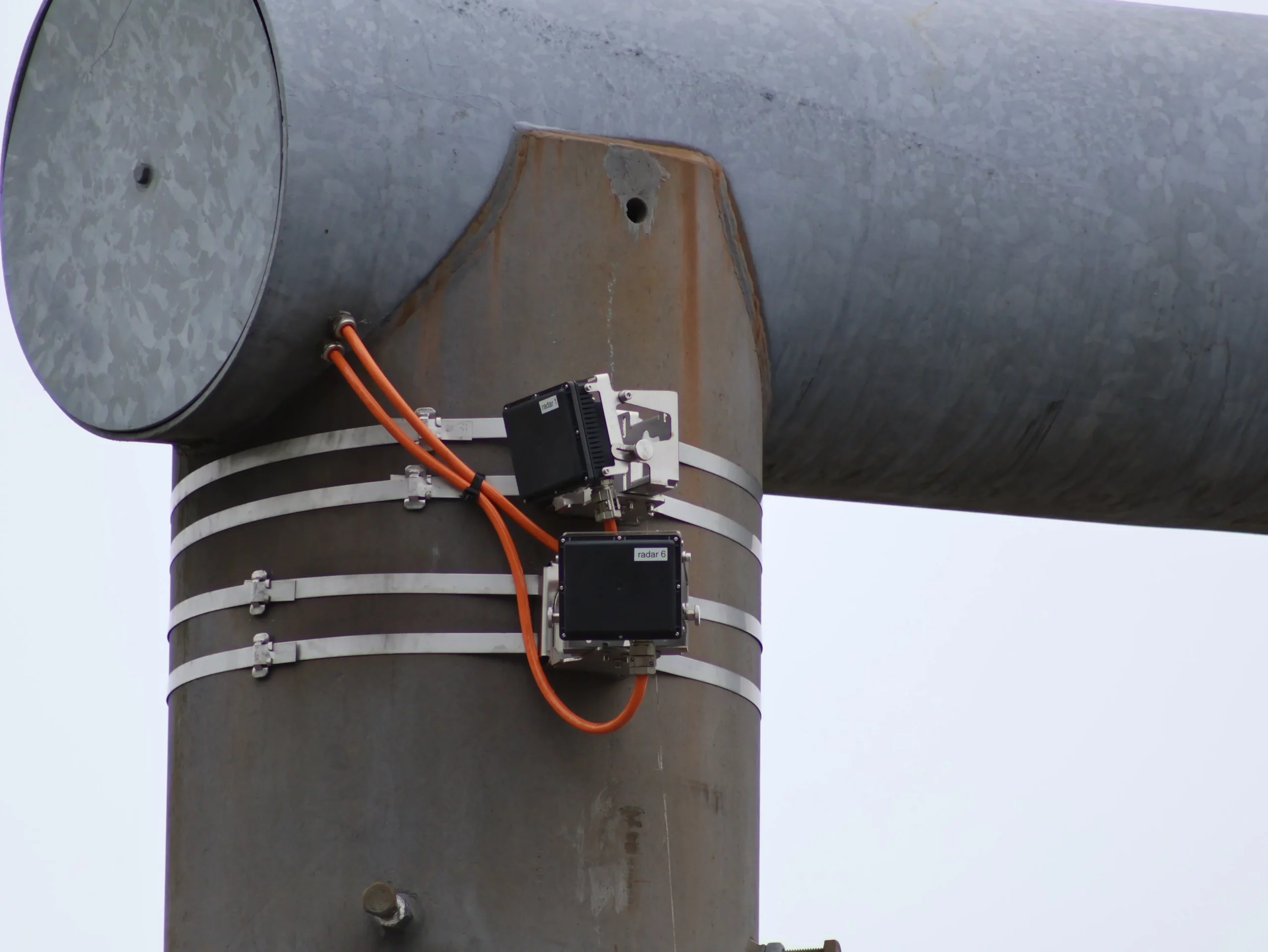
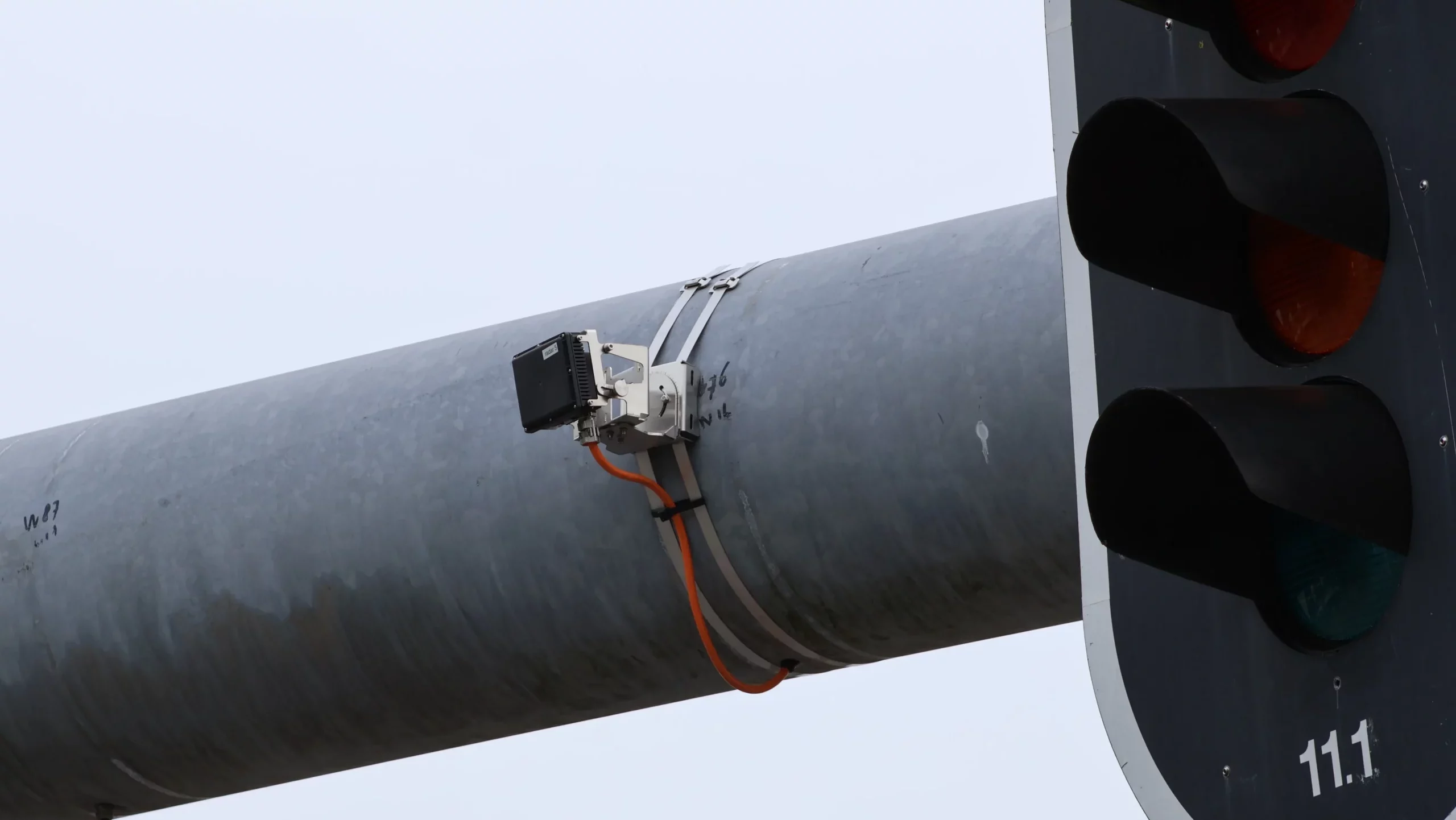
Following the successful pilot, the full intersection has been equipped with seven TOPGRD sensors, two COM HUB Relay 24 units, and one Relay 32 XP Module. Visual and thermal cameras have now been replaced by radar, creating a future-ready basis for detecting motor vehicles and cyclists at the intersection.
The Challenge
The existing visual camera detection at Ruischerbrug had to be replaced. A design plan for new cameras had already been prepared, but the Province of Groningen also wanted to assess whether radar could offer a more flexible and future-proof alternative. The key requirement was to test radar application at traffic lights without depending on additional detection techniques such as physical loops.
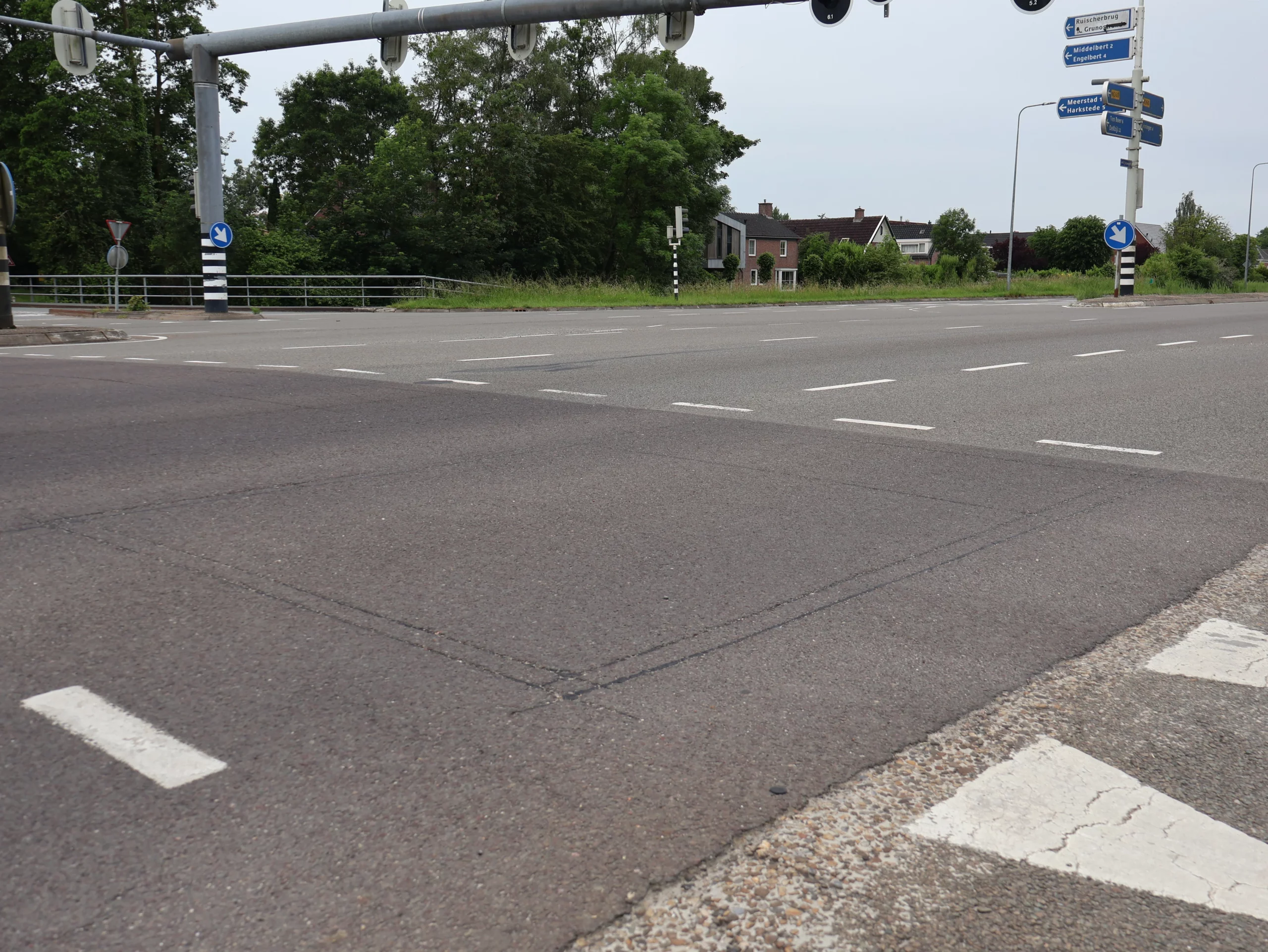
Ruischerbrug was a demanding and therefore highly relevant test location. The intersection includes multiple lanes side by side, traffic jam detection, bus detection, bicycle detection, turning movements, and a parallel two-way bicycle path. At the same time, the traffic light controller was also approaching replacement, which made the site suitable for evaluating a new detection concept before the next modernization step.
The pilot had to prove that radar detection could run stably, detect stationary vehicles accurately, handle occlusion behind and next to larger vehicles, count correctly at the stop line, avoid unnecessary hanging zones, and work with the existing traffic-control application.
The Solution
The project team first tested smartmicro’s UMRR-11 Type 132 radar at the eastern branch of the intersection. After the initial evaluation, the sensor remained in operation until it was replaced by TOPGRD for the next stage of the pilot. TOPGRD was selected to validate the improvements needed for reliable stop and advance detection in a Dutch traffic-control environment.
During the pilot phase, the radar was connected to the existing traffic light controller via a COM HUB Relay 8 interface using parallel contacts. This allowed the project team to validate radar detection without extensive modifications to the older controller environment. The control program was adapted to the new situation through parameter changes only.
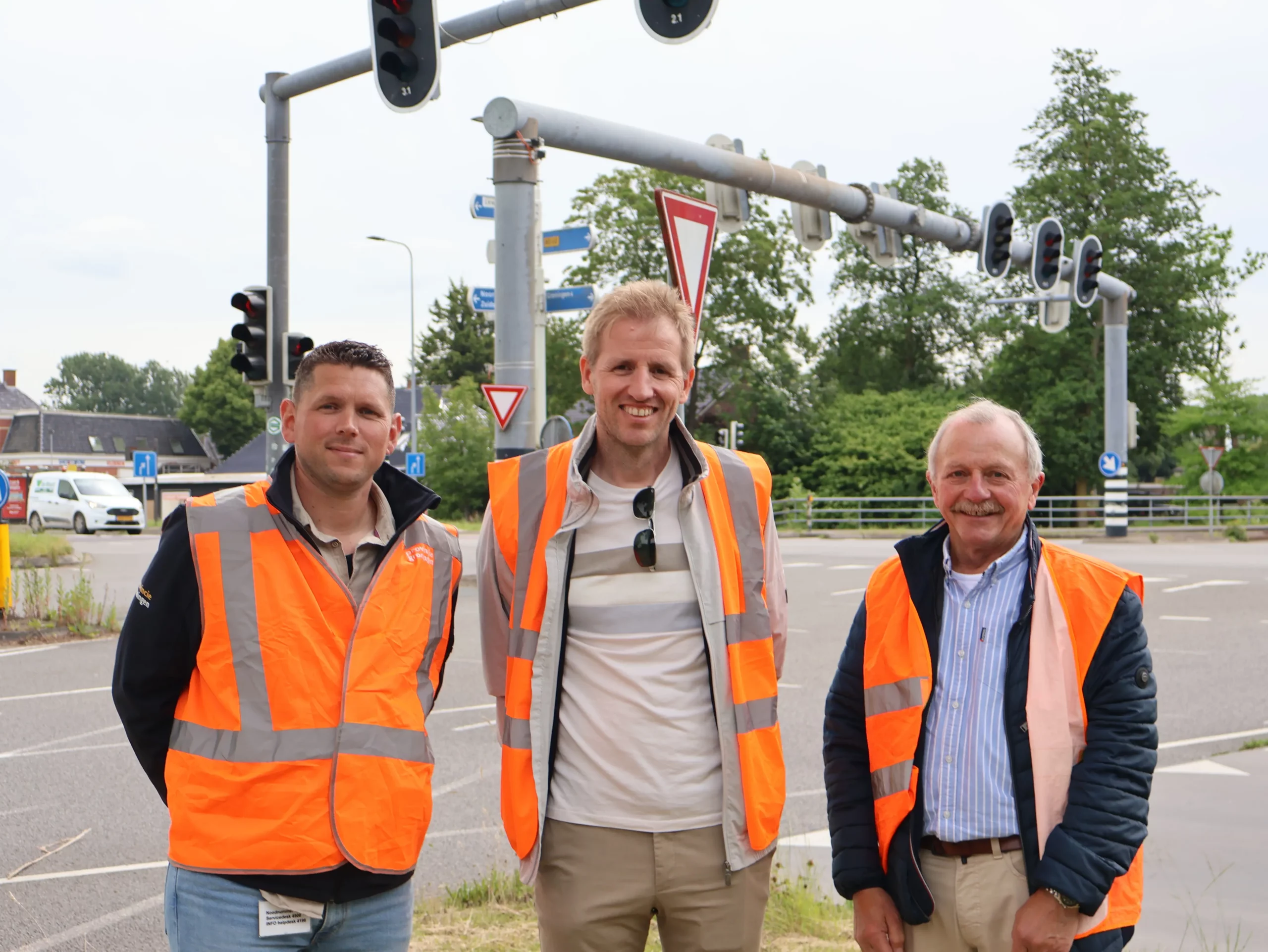
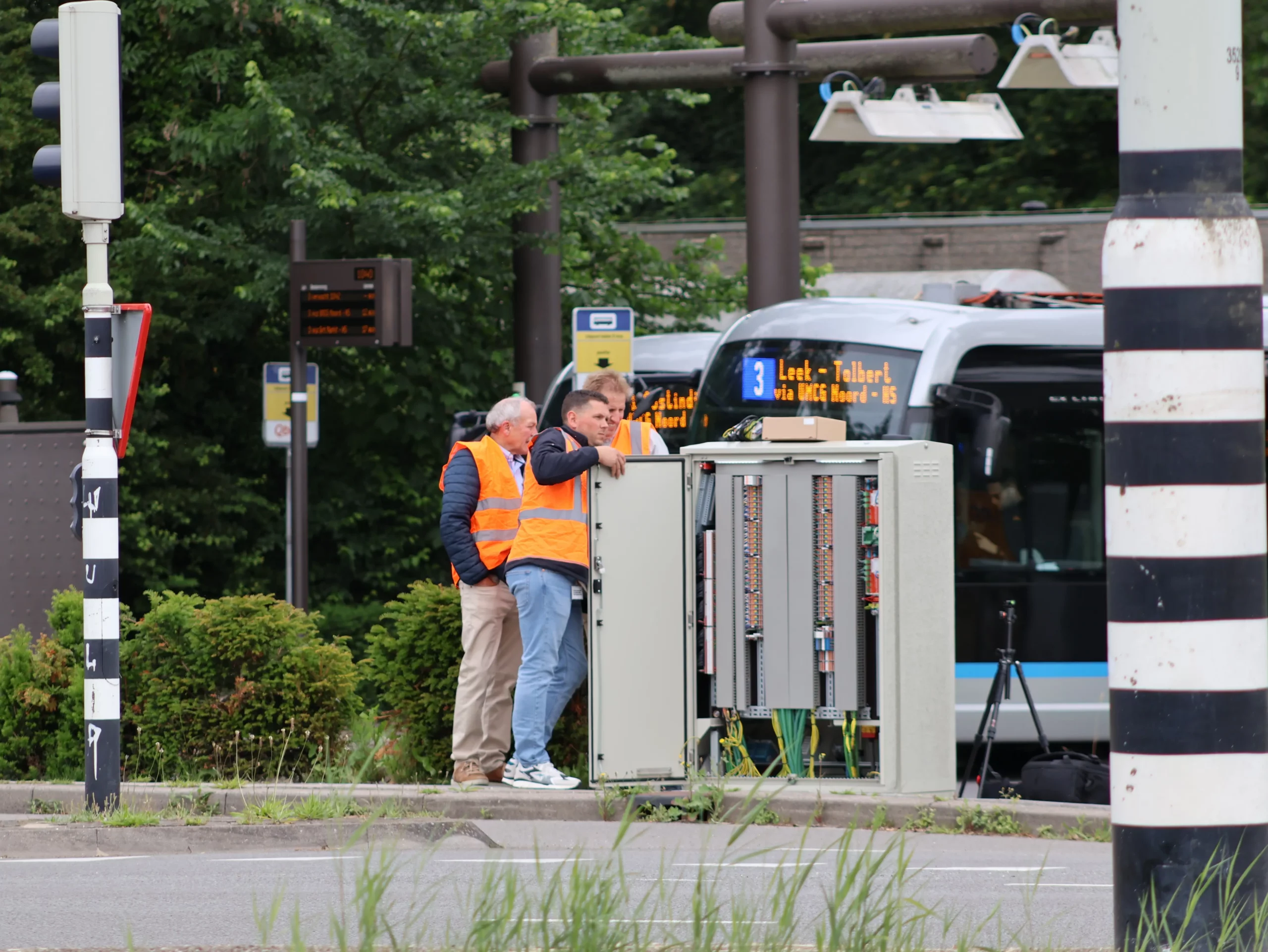
The Province of Groningen performed the installation work in-house. smartmicro supplied the radar technology, interface, installation support, and optimization both remotely from Braunschweig and on site. Verkeersinfo supported the implementation in the traffic light controller, optimized the operation, and carried out the technical evaluation.
The configuration and monitoring were supported by smartmicro’s browser-based Traffic Web UI. The radar configuration could be prepared offline using satellite imagery and then checked, adjusted, and optimized on site or remotely via VPN. This made it possible to monitor traffic participants live on the intersection layout and refine the detection zones during the trial.
For the full intersection setup, the current relay-based architecture provides 72 outputs at the intersection. As a possible next development step, these relay outputs and the corresponding wiring, including the Relay 32 XP Module, could be replaced by MQTT communication with the traffic light controller via LAN connection.
Results and Benefits
The TOPGRD trial was completed successfully. The system ran stably, with no detection failure during the test period. Traffic control continued to work properly, and road users did not notice that the control was operating differently. According to the Province of Groningen, traffic was handled smoothly, there were no disruptions, and the tested points were checked in detail and optimized together with smartmicro.
TOPGRD also showed clear improvements compared with UMRR-11 Type 132. The minimum distance to the first detection field was reduced from 27 meters to 20 meters, while the radar field became wider and the usable detection range increased. During the trial, the maximum detection distance was set to 180 meters to support more accurate vehicle separation and distance measurement.
The evaluation confirmed reliable stationary vehicle detection, correct detection of vehicles driving side by side, and strong performance in occlusion situations, for example when a vehicle was behind or next to a truck. Validation with synchronized camera-radar images achieved 96.5% reliability, exceeding the 95% target. The VLOG evaluation also showed low percentages of hanging zones: 2.1% during morning rush hour, 1.2% during evening rush hour, and 0.9% across the day. Source: Final report TOPGRD radar trial, Verkeersinfo, V1.0, 03-06-2025.
For the Province of Groningen, the benefits include a proven detection approach, opportunities for traffic-engineering innovation, easier maintenance, and a relatively cost-efficient path for modernizing intersection detection. For future projects, the pilot also creates a reference for replacing defective cameras or physical detection and for considering radar after infrastructure renewal such as new asphalt.
Conclusion
The Ruischerbrug pilot demonstrates how smartmicro radar technology can support reliable traffic detection in an existing Dutch traffic-control environment. The project validated TOPGRD as a future-ready alternative to aging camera-based and loop-based detection while maintaining correct traffic-control behavior during live operation.
The collaboration between the Province of Groningen, Verkeersinfo, and smartmicro was central to the success of the project. The Province enabled and implemented the test setup, Verkeersinfo provided traffic-control and evaluation expertise, and smartmicro supplied and optimized the radar technology. Together, the partners created a practical and scalable foundation for the next phase of radar-based intersection control.
With seven TOPGRD sensors, two COM HUB Relay 24 units, and one Relay 32 XP Module now being used for the full intersection, Ruischerbrug becomes an important reference for future-ready traffic detection. The project also opens the door to further validation of cyclist speed, congestion detection, vehicle classification, and broader detection concepts that move beyond traditional loops and zones toward intelligent detection areas.
Watch why the Province chose to test Radar Detection, how the System was evaluated, and what the results mean for Future Traffic Management
Watch the video to learn more about the project and hear directly from the Province of Groningen, Verkeersinfo, and smartmicro.
(Player not visible? Open the video via this link: click here)