
Traffic Monitoring: Real-Time Insights for Safer and More Efficient Roads
Effective traffic monitoring requires more than counting vehicles. Explore how high-resolution radar sensors, continuous object tracking, and Hybrid AI Tracking provide accurate, real-time traffic information for smarter intersections, safer highways, and intelligent traffic management.
What Is Traffic Monitoring?
Traffic monitoring is the continuous observation and assessment of road traffic conditions to support safe and efficient transportation networks. Unlike periodic traffic surveys, which provide information about traffic patterns at specific times, real-time traffic monitoring delivers ongoing insights into traffic movements and changing road conditions.
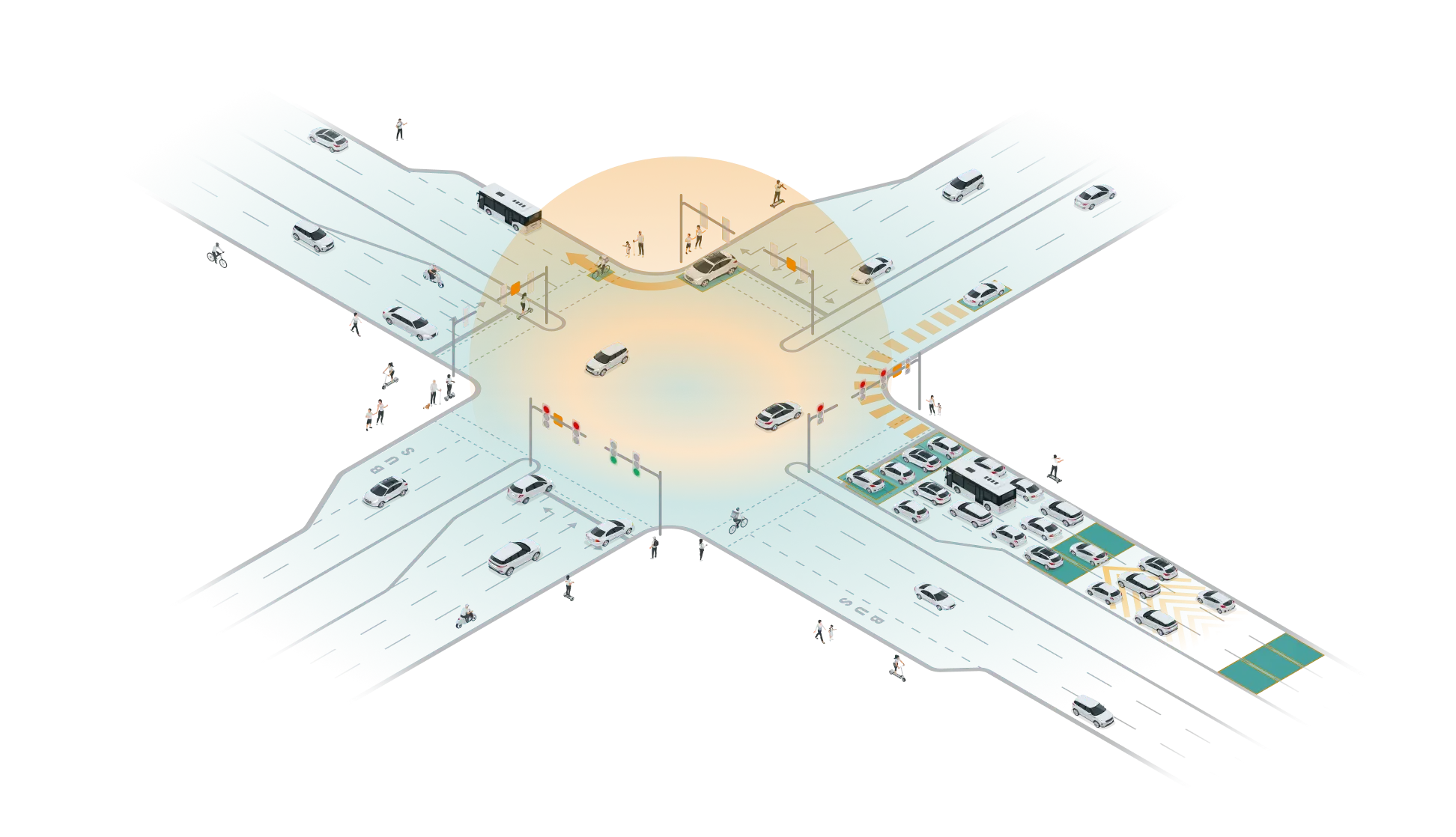
From Traffic Detection to Situational Awareness
Modern traffic monitoring systems do more than register the presence of vehicles. They continuously observe how road users move, identify unusual traffic behavior, and provide information that traffic management systems can use to respond to changing conditions.
This is particularly important on highways and at complex intersections, where traffic situations can develop rapidly. Continuous monitoring enables transportation authorities to recognize congestion, identify stopped vehicles, and assess traffic conditions across multiple lanes.
How Real-Time Traffic Monitoring Works
Effective traffic monitoring requires a continuous flow of information between roadside sensors and traffic management systems. Advanced detection technologies measure vehicle movements and provide the information needed to evaluate current traffic conditions.
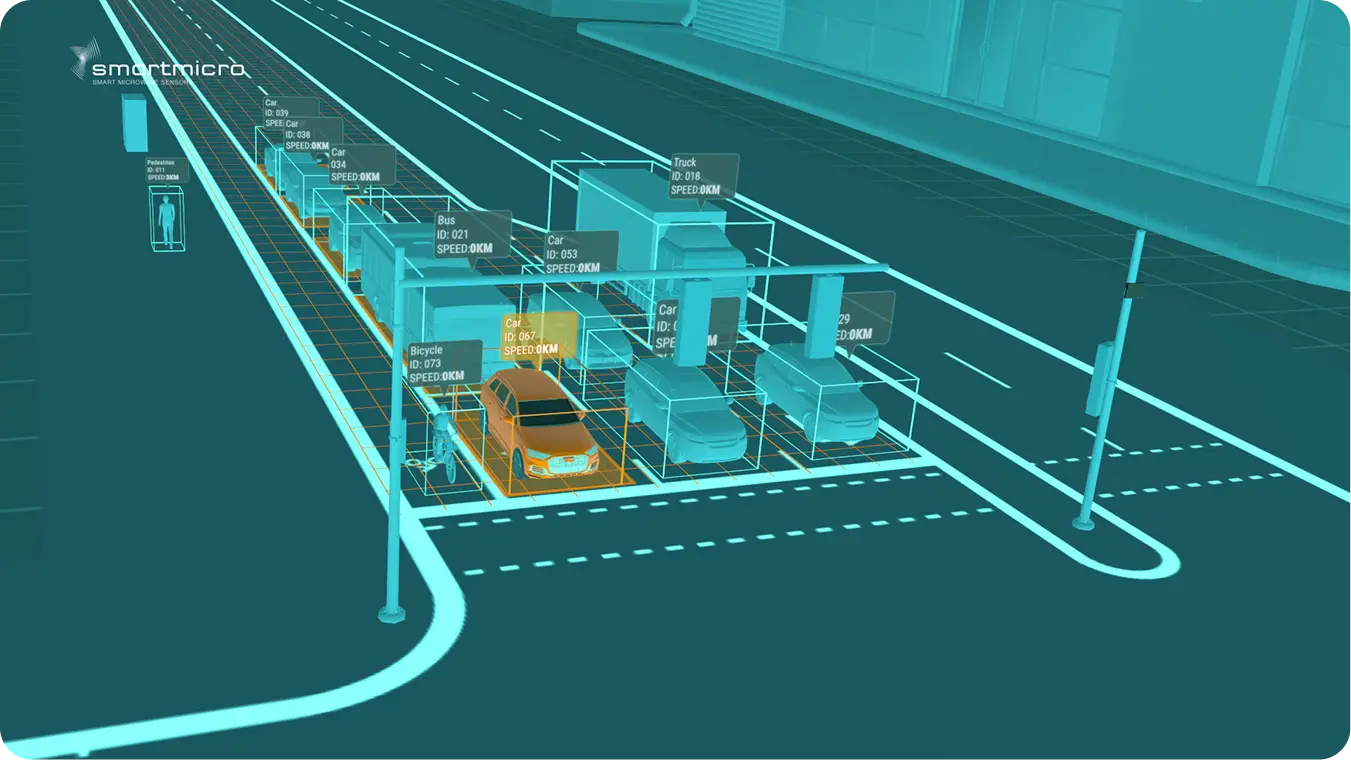
Detecting and Tracking Traffic Movements
Radar-based traffic monitoring systems detect multiple road users simultaneously and measure their position, speed, and direction of movement. By continuously tracking objects, they provide a detailed understanding of how traffic develops across different lanes and road sections.
Unlike detection systems limited to individual measurement points, high-resolution radar enables traffic operators to observe vehicle movements across larger detection areas. For demanding monitoring applications, smartmicro’s TRUGRD radar sensors provide high-resolution object tracking, supporting detailed traffic monitoring at complex intersections and multi-lane roads.
Turning Traffic Information into Operational Decisions
Traffic monitoring becomes particularly valuable when detection information is integrated into traffic management infrastructure. Real-time information about traffic speeds, vehicle presence, and queue development can support traffic signal control, incident management, and operational decision-making. The objective is not simply to collect information, but to make relevant traffic conditions visible to the systems and operators responsible for managing the road network.
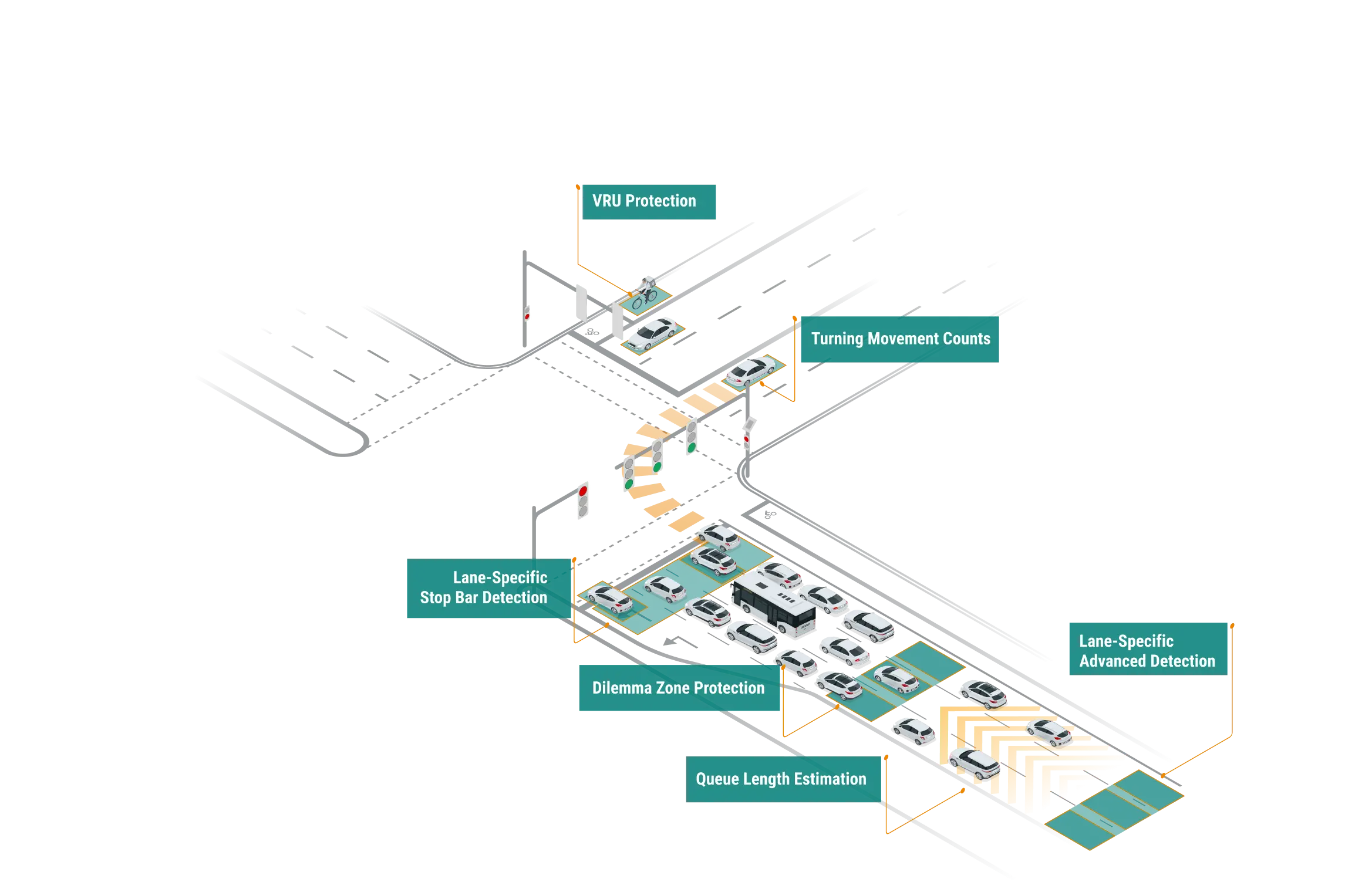
Traffic Monitoring Applications for Modern Road Networks
Traffic monitoring requirements differ significantly between highways, urban roads, and signalized intersections. Each environment presents specific challenges that require reliable detection and continuous situational awareness.
Highway Traffic Monitoring and Incident Detection
On highways, unexpected traffic events can create dangerous situations within seconds. Stopped vehicles, sudden speed reductions, and wrong-way movements require timely identification to support effective incident management.
Advanced radar-based monitoring provides continuous information about vehicle movements across multiple lanes. Depending on the system configuration, this information can support automatic incident detection and help operators identify unusual traffic situations.
smartmicro’s TOPGRD traffic sensor provides advanced multi-lane detection and tracking capabilities for demanding traffic monitoring environments.
Intersection Monitoring and Adaptive Traffic Control
At signalized intersections, traffic conditions can change significantly within short periods. Approaching vehicles, growing queues, and turning movements all influence intersection performance.
Real-time intersection monitoring provides information that traffic controllers can use to adjust signal timing according to actual traffic demand.
Accurate detection at stop bars and along approaching lanes supports responsive traffic control, while continuous tracking through the intersection enables more detailed analysis of traffic movements.
For applications requiring reliable detection across multiple lanes, smartmicro’s UMRR-11 radar sensors provide an established solution for roadside traffic detection.
Monitoring Pedestrians and Cyclists
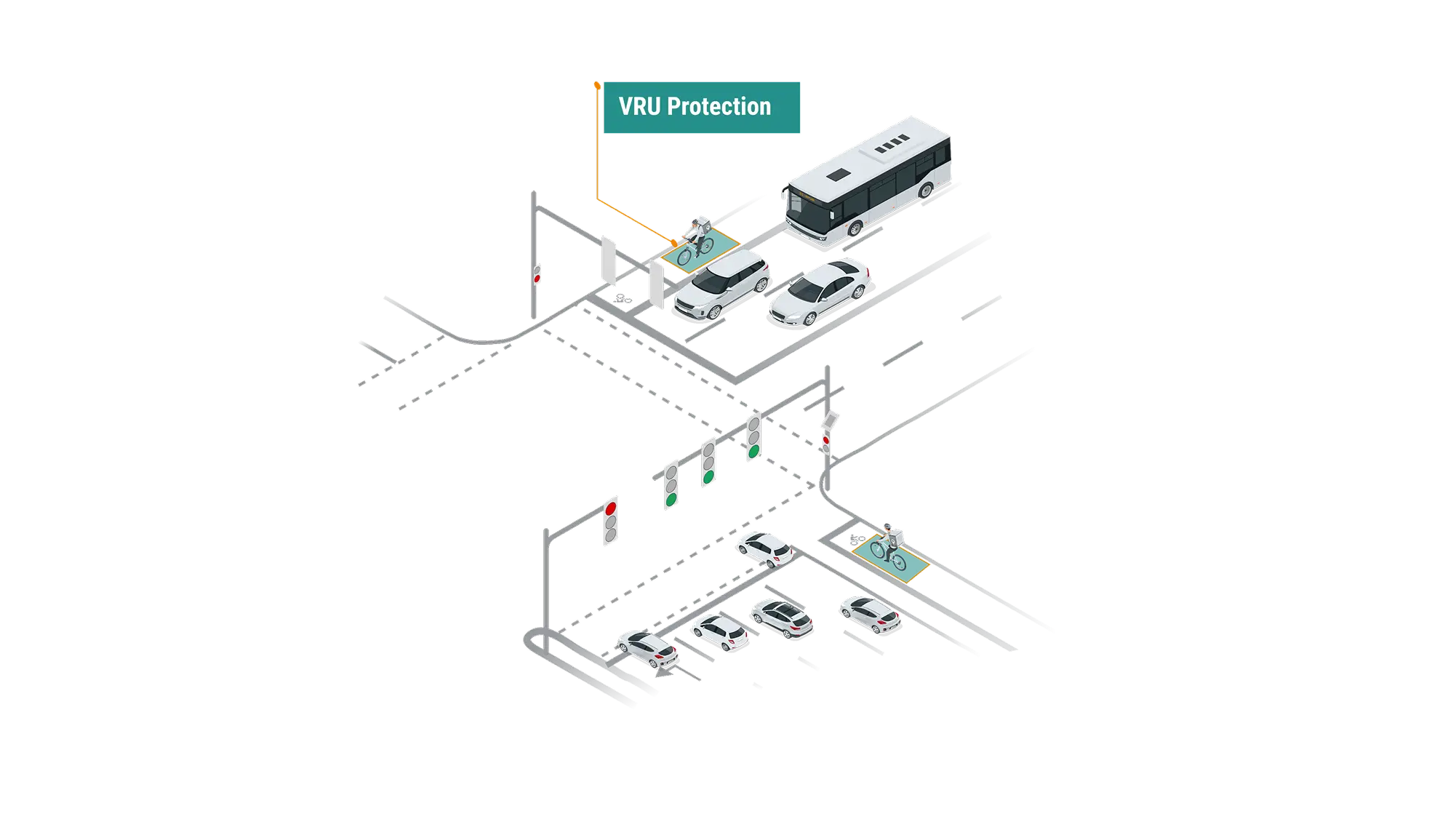
Modern traffic monitoring must account for more than motor vehicles. Pedestrians and cyclists interact with traffic in increasingly complex urban environments, creating additional challenges for traffic management.
Detecting vulnerable road users and understanding their movements helps transportation authorities assess traffic conditions more comprehensively. At busy intersections, accurate classification and continuous tracking can provide valuable information for improving signal control strategies and identifying potential conflict areas.
Hybrid AI Tracking for Complex Traffic Environments
While radar provides reliable information about object position and movement, combining complementary sensing technologies can further improve traffic monitoring capabilities.
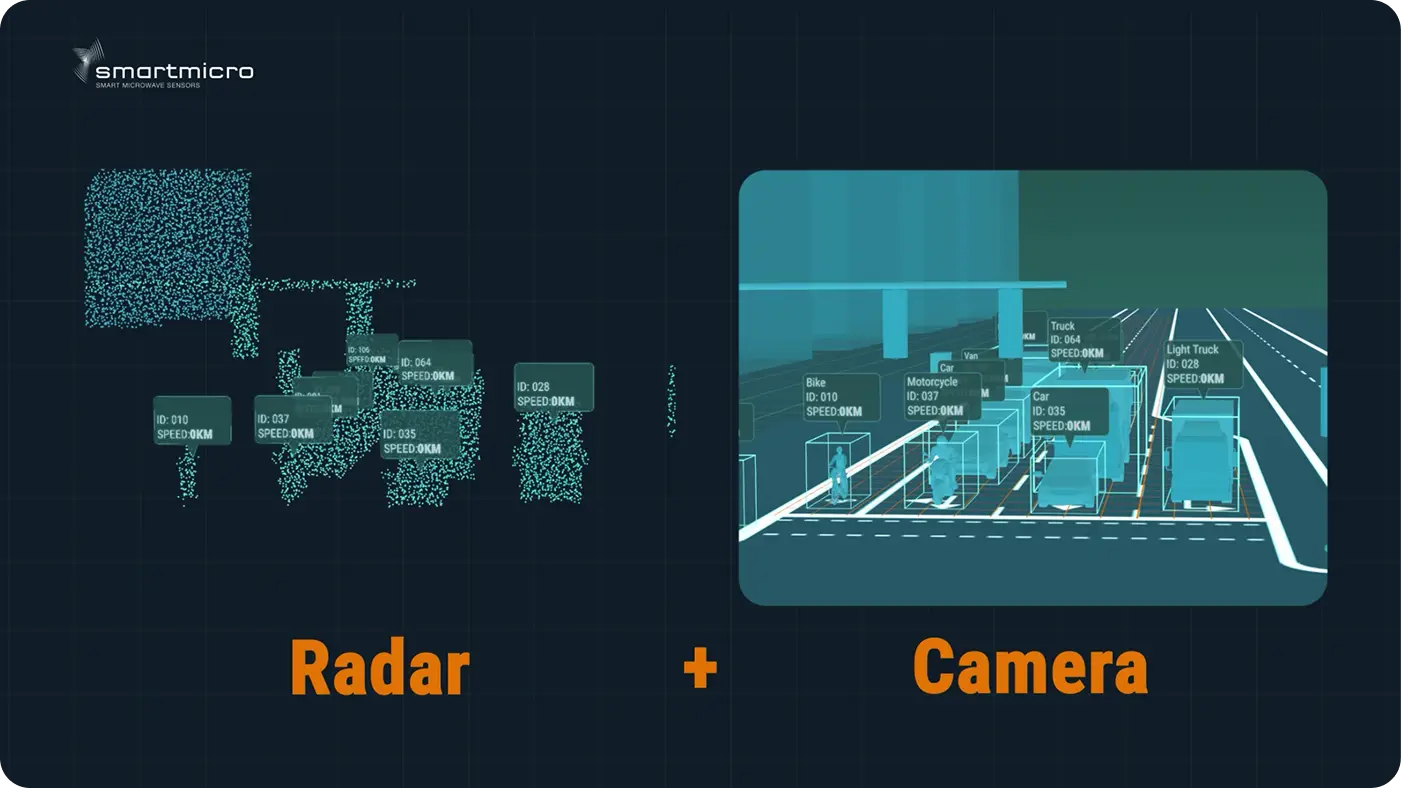
smartmicro’s Hybrid AI Tracking combines advanced radar detection with high-definition video and AI-powered processing to provide enhanced object classification and tracking.
Combining Radar and Video for Better Situational Awareness
Radar and video contribute different types of information. Radar measures object position and movement independently of ambient lighting, while cameras provide visual information that supports object recognition and classification.
By combining these capabilities, Hybrid AI Tracking delivers a consolidated understanding of traffic activity, particularly in complex urban environments.
Reliable Tracking at Busy Intersections
Intersections with multiple turning lanes, pedestrians, and cyclists present demanding detection scenarios.
Hybrid AI Tracking supports detailed monitoring by combining radar-based object tracking with camera-enhanced detection and classification. This enables traffic management systems to receive more comprehensive information about different road users and their movements.
The result is improved situational awareness that supports intelligent traffic control and multimodal traffic management.
What Makes an Effective Traffic Monitoring System?
An effective traffic monitoring system must provide more than accurate detection under ideal conditions. It needs to operate reliably across changing traffic volumes, environmental conditions, and complex road layouts.
Continuous Coverage and Reliable Object Tracking
Traffic situations develop dynamically. Maintaining continuous object tracking is therefore essential for understanding vehicle movements, identifying unusual behavior, and assessing changing traffic conditions.
High-resolution radar technology supports this requirement by monitoring multiple road users simultaneously, including vehicles moving at different speeds or temporarily stopped in traffic.
Integration with Traffic Management Infrastructure
Traffic monitoring delivers its greatest operational value when information can be used by existing traffic management systems.
Reliable communication interfaces, flexible detection configurations, and compatibility with traffic control infrastructure enable transportation authorities to integrate advanced monitoring capabilities into their networks.
This helps transform roadside detection into information that supports operational decisions.
The Future of Intelligent Traffic Monitoring
As road networks become increasingly connected, traffic monitoring will play a growing role in intelligent transportation systems.
The combination of high-resolution radar, AI-powered classification, and continuous object tracking enables transportation authorities to develop a more comprehensive understanding of traffic conditions.
With technologies such as TRUGRD, TOPGRD, UMRR-11, and Hybrid AI Tracking, smartmicro provides sensing solutions for different traffic monitoring requirements, from complex urban intersections to multi-lane highways.
Ultimately, effective traffic monitoring is about recognizing what happens on the road and making that information available when it matters. By supporting real-time situational awareness and informed traffic management decisions, advanced monitoring technologies contribute to safer, more efficient, and future-ready transportation networks.